Evergrande Founder Hui Ka Yan Was China’s Richest Man. Now He’s Been Sentenced to Life in Prison
The downfall of a property empire that left behind $300 billion in debt has ended in a life sentence. Evergrande’s $300 billion debt was revealed in 2021 as the company struggled to meet interest payments. Ritu Kant Ojha's analysis of the Evergrande collapse, quoted in Inc Magazine.
Updated 1 October 2026
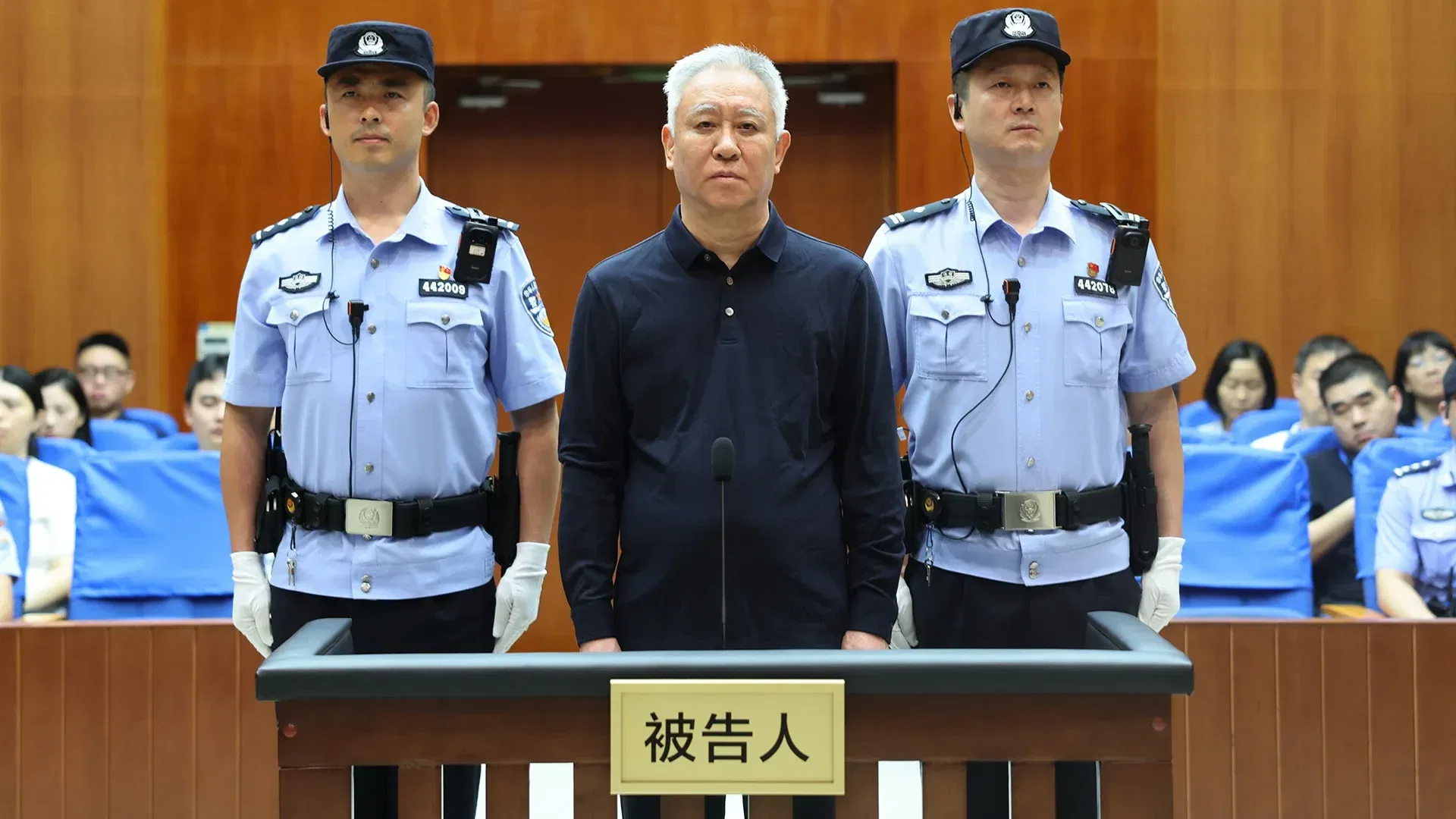
Founder Hui Ka Yan has been sentenced to life in prison for financial crimes linked to the collapse of his Evergrande real estate group.
The 67-year-old was convicted on Thursday by the Shenzhen Intermediate People’s Court, which found that Hui, also known as Xu Jiayin, abused his position in the company by orchestrating fraud and misappropriating company assets.
Hui, who was once named by Forbes as China’s richest man with a net worth of $42.5 billion in 2017, was convicted on eight charges, including misuse of funds, fundraising fraud, illegally taking public deposits, illegally extending loans, fraudulently issuing securities, and bribery.
Following the court decision, the Evergrande Group was fined 8.82 billion yuan, equivalent to $1.31 billion. Evergrande Real Estate Group was fined 7 billion yuan, equivalent to $1.04 billion.
“The amount involved is exceptionally large, the circumstances are particularly egregious, and extraordinarily heavy economic losses have been caused,” the court wrote in a statement. “The harm to society is extremely serious. Therefore, severe punishment should be given in accordance with the law.”
Hui’s sons, Xu Tenghe and Xu Zhijian, have also been sentenced alongside other senior Evergrande executives for potential fraud and the illegal use of funds, China’s official Xinhua News Agency said. According to the Associated Press, Hui pleaded guilty in April to various charges after he was detained in China.
Billionaire downfall
Born in Henan, China, in 1958, Hui’s stint in business started in the early 1980s when he became an associate director of the heat-treatment shop of Wuyang Iron and Steel Company. After working in multiple trading companies, Hui launched Evergrande in 1996, a Chinese property development company.
Hui’s contribution to China’s infrastructure is relatively notable. He helped forefront the country’s urbanization push. However, the market ultimately collapsed, causing a crisis in China’s real estate sector.
Evergrande’s $300 billion debt was revealed in 2021 as the company struggled to meet interest payments and was scrutinized by Beijing government officials. According to Reuters, in August 2023, Evergrande filed for Chapter 15 of the U.S. bankruptcy code for protection from creditors following surveillance from the Chinese government. In January 2024, a Hong Kong-based court ordered Evergrande to liquidate its assets due to a lack of a viable restructuring plan.
“No company sets out to defraud millions of buyers,” Ritu Kant Ojha, CEO of Proact Luxury Real Estate, told Inc. “Someone in the finance team raises a hand, or an auditor asks a question that does not get a straight answer. What happens next depends entirely on that person’s power and how badly the company needs the number.”
In the case of Evergrande, the need may have been quite large.